
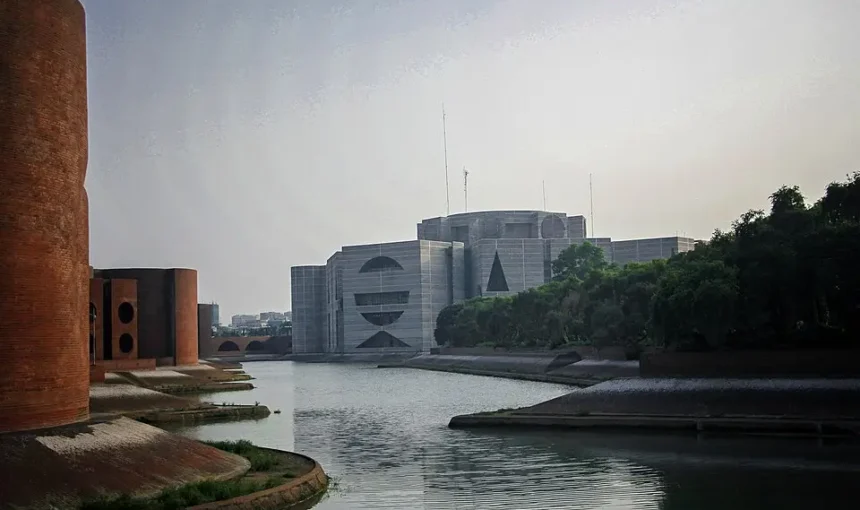
Language, history and identity can help you find the nation roots.
Known for their vibrant culture, rich literary past and strong sense of self, the people of Bengal did not just emerge overnight. Language, geography, a mix of cultures and social and political movements are just some of the things that have shaped this long and complex past. The most important thing on this journey is the Bengali language. It has been around for over 1,400 years and comes from Gaur, the great capital of ancient Bengal. Knowing how the Bengali language changed over time and how it changed the identity of a people will tell you a lot about how the Bengali nation came to live in present-day Bangladesh.
Origins in Ancient Bengal
The story begins in the delta, where the Ganges, Brahmaputra and Meghna rivers meet. In the past, this place was called Bengal. The first people to inhabit this land were the Bangas, Pundras and Gaurs (or Gaurs). It is now located in the Malda district of West Bengal, India. Gaur was one of the most important places in the politics and culture of early Bengal. From the 7th century, it was home to many dynasties such as the Palas, Senas and later the Sultans of Bengal, which became their own country.
Around this old city, the first forms of the Bengali language began to take shape. They came from the local Prakrit language, which was spoken by most of the people, and were influenced by Sanskrit, Pali and Magadhi. This is what we now call the early form of the Bengali language before it gradually changed over the years.
Origins of the Bengali language
Bangla is an Indo-Aryan language, a type of Indo-European language. Around 600 BCE, there was a language called Magadhi Prakrit in the eastern part of the Indian subcontinent. Eventually, the languages of this region, especially the Gaur or Gaur dialect, evolved into the first forms of Bengali known to man.
Between 900 and 1000 CE, this new common language began to be used in writing and symbols. One of the oldest examples we still have is the Charyapad, a book of Buddhist mystical songs written between the 8th and 12th centuries. These lines were written in Proto-Bengali, also known as Old Bengali, an early form of Bengali. They show that people had already begun to write poetry and religious works in Bengali.
When the Charyapad was composed, society was changing. At this time, Bengal was a place where Hinduism, Buddhism, and later Islam blended together. Each of these religions strengthened the language and customs of the region. Bengali changed its language as it was conquered by different countries. During the Sultanate and Mughal periods, it picked up words and phrases from Persian, Arabic, and Turkish. This made its vocabulary and writing style more diverse.
Where does the Bengali national identity come from? The role of Gaur began
Gaur was a place that was important for both politics and art. Between 1311 and 1616, Gaur was the capital of Muslim Bengal. It was home to many intelligent people and many beautiful houses. People preferred Bengali, but Persian was the language of government. The Bengali nation gradually became important in social and intellectual life.
Bengali became a secular language that could unite different groups as Islamic masters and local people spoke to each other more. Baul and Sufi poets wrote spiritual songs in the Bengali nation to spread their message of love and unity. Bengali is a culture and language that values linguistic diversity and Gaur pride. It was shaped by the folk customs of Gaur and its surrounding areas.
Medieval Literature and Cultural Identity
Between the fourteenth and fifteenth centuries, Bengali was the language used exclusively for writing. The Bengali works Sri Krishnakirtan and Mangal Kavya were written by Baru Chandidas. Religion and mythology formed a large part of these works. This literary development went beyond the royal court and influenced the songs, oral traditions and storytelling practices of the entire Bengal.
The Bengali language was seen not only as a means of communicating with the people, but also as a means of expressing one’s identity. No one could speak Sanskrit, Persian or Arabic. Rather, Bengali was the language of the people. Being part of the language gave people a sense of cultural knowledge that later transformed into nationalism.
The Bengali Renaissance and the Meeting of Two Worlds
In the 17th century, the British East India Company entered Bengal and drastically changed the society and government there. Although English became the language of power, it was in the 1800s that the Bengali language really came to life, especially in Calcutta (now Kolkata). Raja Rammohan Roy, Bankim Chandra Chatterjee and Rabindranath Tagore were all intelligent men who modernized Bengali writing and poetry. But they retained some old methods to adapt them to the current global concepts.
People learned Bengali to improve their situation, their participation in politics and bringing about change. Initially, people of the Indian subcontinent spoke a lot in Bengali about social justice, women’s rights, and national identity. This was not just a change in writing; it was the beginning of a new trend in Bengali today.
When the British divided Bengal into two parts in 1905 and reunited it in 1911, many were angry. This was especially true in East Bengal. These events made people more aware of language and geography, which would have a major impact on the future of East Bengal, which later became Bangladesh.
Partition and Language Movement
In 1947, Britain divided British India into two parts, and East Bengal, now Bangladesh, became part of Pakistan. For East Pakistan, Urdu was the only official language, although it had its own language and culture. It was governed from West Pakistan.
Since most people in East Pakistan had Bangladeshi as their first language, this choice made them very angry. The Bengali people’s past changed with the Bengali Language Movement of 1952.A significant number of students and activists called on the government to establish Bengali as the state language. The tragic murders of protesters in Dhaka on February 21, 1952, became a poignant emblem of resistance and sacrifice. Bengali ultimately achieved recognition as an official language in Pakistan.
This movement made the Bengalis prouder of their culture and language. Language was more than just a way to talk to each other; it was an important aspect of Bengali culture and a potent way to affect politics.

Bangladesh’s Independence: A Step Toward National Identity
East and West Pakistan became more and more apart throughout the 1950s and 1960s.The people of East Pakistan were unhappy because the economy, politics, and culture were unfair. The military leaders of West Pakistan didn’t pay attention to the results of the 1970 general elections, which Sheikh Mujibur Rahman’s Awami League won by a wide margin. This made things worse.
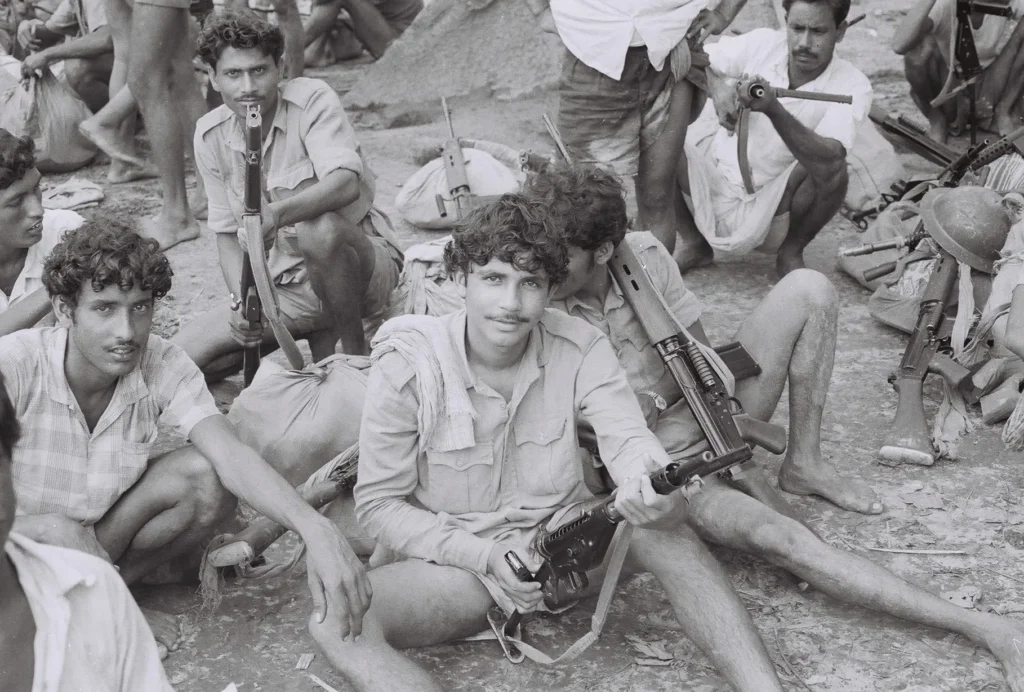
On March 25, 1971, the Pakistan Army launched Operation Searchlight. The crackdown on Dhaka and other cities was extremely harsh. They responded by declaring independence, which began a nine-month-long war of independence. Many people sacrificed their lives to make Bangladesh their own country on December 16, 1971.
Bengali history, culture and language were crucial to the independence of Bangladesh. The new country was built on the dream of equal language rights, cultural freedom and national pride.
Language as a symbol of national identity
The transformation from the ancient city of Gaur to modern Dhaka shows how language can be the basis of national identity.
Bengali Nation is not just a language for the people living here. It is a way for them to show that they are a proud, creative and strong nation built on their language and culture.
UNESCO designated February 21 as International Mother Language Day and Bangladesh is celebrating it today. It is important to remember that the Bengali nation was not formed through invasion or colonization, but through a strong commitment to language, culture and the freedom to choose one’s own path.
The rise of the Bengali nation in Bangladesh shows how language can give people a sense of self, unite them and help them in their struggle. From the ancient city of Gaur to the streets of Dhaka during the Bangladeshi Revolution, the Bengali language was the lifeblood of a people who refused to be silenced or conform. The Bengalis have left their mark on history, first as a people and then as a separate country called Bangladesh. They have done so over a 1,400-year period of linguistic and cultural change.