Bangladesh is a land steeped in history, where ancient civilizations, powerful empires, and colonial influences have left an indelible mark on the landscape. For travelers seeking to explore the rich heritage of South Asia, historical places to visit in Bangladesh offer a fascinating journey through time. From ancient Buddhist monasteries to Mughal architecture and British colonial buildings, Bangladesh preserves thousands of years of cultural treasures waiting to be discovered.
Ancient Buddhist Heritage Sites
Somapura Mahavihara (Paharpur)
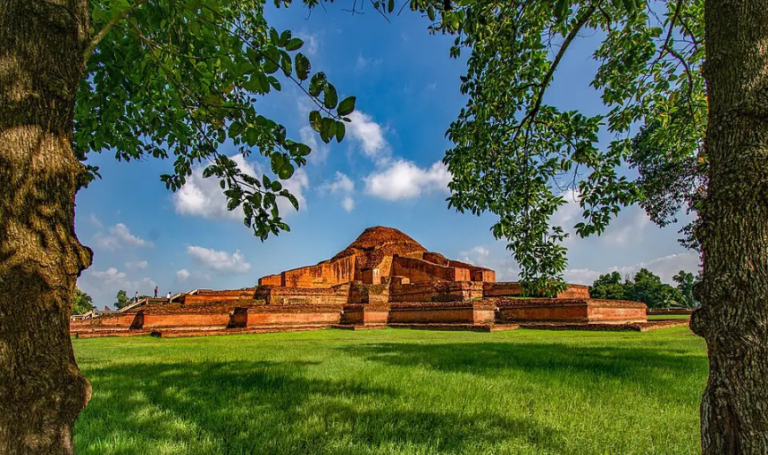
Among the most significant historical places to visit in Bangladesh, Somapura Mahavihara stands as a testament to the country’s Buddhist past. Located in Paharpur, Naogaon district, this UNESCO World Heritage Site dates back to the 8th century during the Pala dynasty reign. The monastery complex covers approximately 27 acres and once served as one of the largest Buddhist educational institutions in ancient India.
The central stupa rises majestically, surrounded by 177 monastic cells that housed scholars and monks from across Asia. The intricate terracotta plaques adorning the walls depict scenes from daily life, mythology, and Buddhist teachings, providing invaluable insights into medieval Bengal’s artistic and cultural achievements. Visiting Somapura Mahavihara offers history enthusiasts a profound connection to Bangladesh’s ancient scholarly traditions.
Mahasthangarh
Mahasthangarh in Bogra district represents one of the earliest urban archaeological sites in Bangladesh, with settlements dating back to the 3rd century BCE. As one of the premier historical places to visit in Bangladesh, this ancient citadel served as the capital of the Pundra Kingdom and later flourished under Mauryan, Gupta, and Pala rulers.
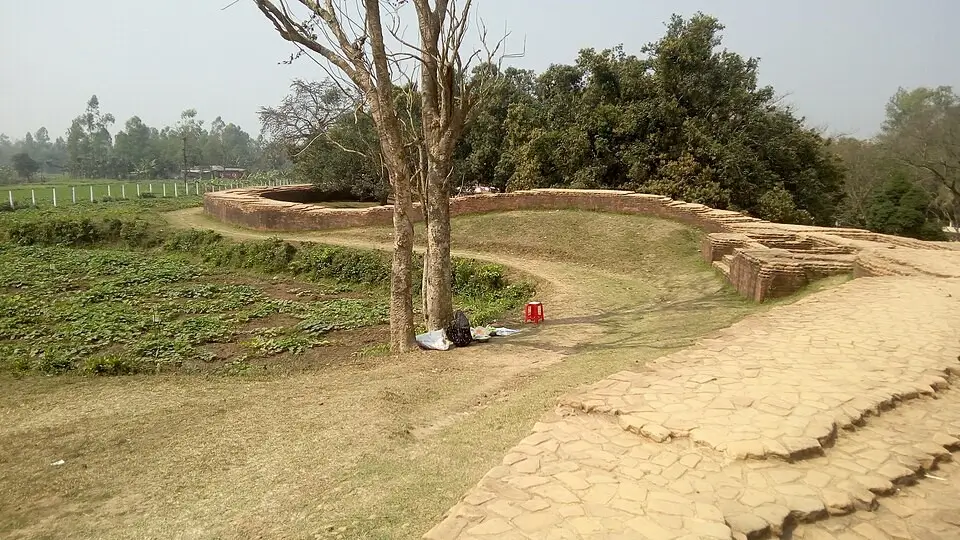
The fortified city walls, still visible today, enclose ruins of palaces, temples, and residential structures. The on-site museum displays artifacts including pottery, coins, ornaments, and inscribed stone tablets that chronicle the site’s evolution through different dynasties. The nearby Govinda Bhita temple ruins and Vasu Vihara monastery add depth to any historical exploration of the region.
Mughal Architectural Marvels
Lalbagh Fort (Dhaka)
No list of historical places to visit in Bangladesh is complete without Lalbagh Fort, an incomplete Mughal palace fortress in Old Dhaka. Construction began in 1678 under Prince Muhammad Azam during Emperor Aurangzeb’s reign. The complex showcases classic Mughal architecture with its strategic layout, elegant proportions, and sophisticated water management systems.
The fort complex includes three significant structures: the Diwan-i-Aam (audience hall), the tomb of Pari Bibi (the governor’s daughter), and the hammam (royal bathhouse). The tomb, positioned at the center, features stunning marble work and delicate floral motifs characteristic of Mughal artistry. The surrounding gardens, fountains, and defensive walls create an atmospheric setting that transports visitors to the Mughal era.
Ahsan Manzil (Pink Palace)
The iconic Ahsan Manzil, with its distinctive pink facade, dominates the Dhaka riverfront as one of the most photographed historical places to visit in Bangladesh. Built in 1872, this palace served as the residential palace and seat of the Nawab of Dhaka. The Indo-Saracenic architecture blends Mughal and European elements, creating a unique aesthetic statement.
Today functioning as a museum, Ahsan Manzil houses 23 galleries displaying portraits, furniture, household items, and documents from the nawabi period. The grand Durbar Hall with its impressive dome remains the architectural centerpiece, while the riverside location offers beautiful views of the Buriganga River, especially during sunset.
Sixty Dome Mosque (Bagerhat)
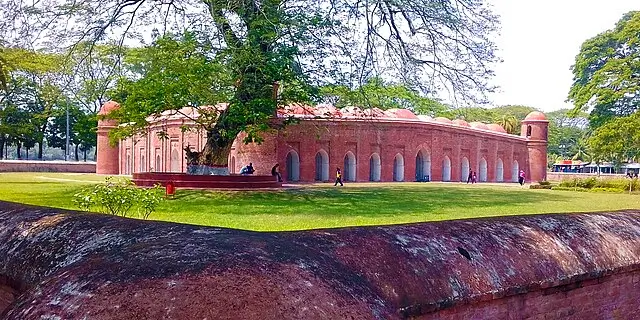
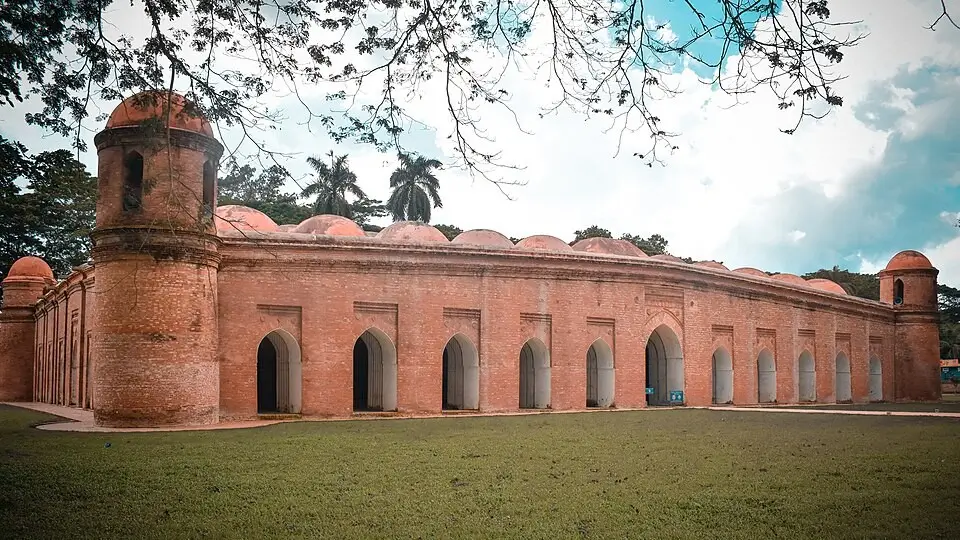
The historic city of Bagerhat contains numerous architectural treasures, with the Sixty Dome Mosque (Shat Gombuj Masjid) standing as the crown jewel. This UNESCO World Heritage Site, built by Khan Jahan Ali in the 15th century, exemplifies the Tughlaq architectural style adapted to Bengali conditions.
Despite its name, the mosque actually features 77 domes supported by 60 pillars, creating a vast prayer hall with exceptional acoustics. The thick walls, terracotta ornamentation, and multiple mihrabs demonstrate the architectural sophistication of medieval Bengal. As one of the essential historical places to visit in Bangladesh, the Sixty Dome Mosque attracts architecture enthusiasts and spiritual seekers alike.
Colonial Era Landmarks
Old Dhaka Heritage Buildings
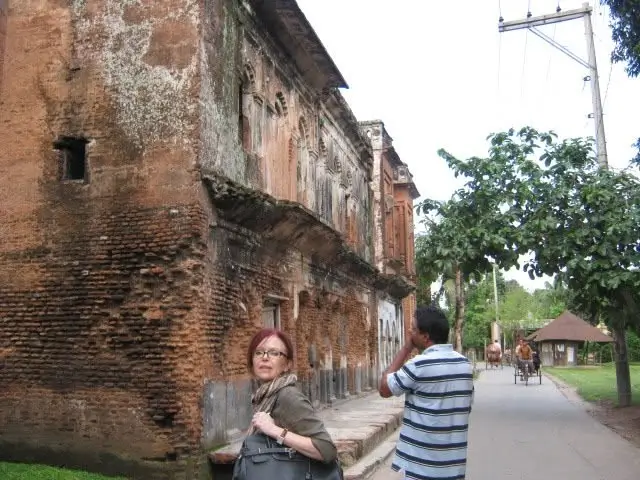
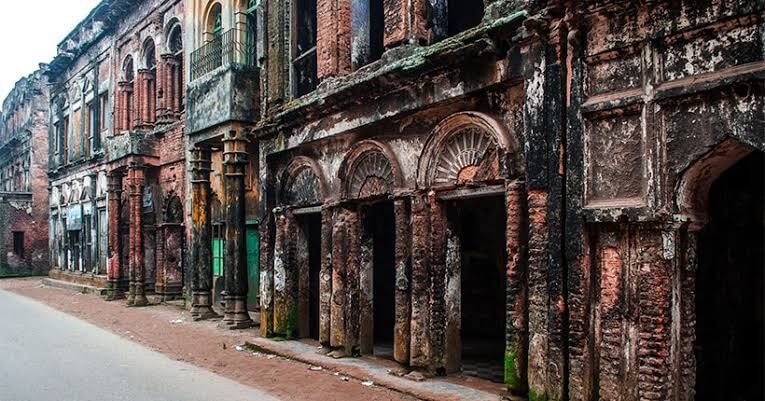
Old Dhaka preserves numerous colonial-era structures that reflect British influence on Bangladesh’s architectural landscape. Armenian Church, built in 1781, stands as one of the oldest churches in the region and represents the Armenian merchant community’s historical presence. The Star Mosque (Tara Masjid) dazzles visitors with its colorful mosaic work featuring Japanese and English china pottery pieces.
Exploring the narrow lanes of Old Dhaka reveals hidden gems including the Ruplal House with its ornate iron railings, Northbrook Hall (now Dhaka City Museum), and Sadarghat River Port with its endless activity. These historical places to visit in Bangladesh offer authentic glimpses into the country’s colonial past and traditional urban life.
Kantajew Temple (Dinajpur)
The Kantanagar Temple, commonly known as Kantajew Temple, represents the pinnacle of terracotta temple architecture in Bangladesh. Built in 1752 by Maharaja Pran Nath, this exquisite Hindu temple originally featured nine ornate towers, though only the main structure survives today.
The temple walls showcase over 15,000 terracotta plaques depicting scenes from Hindu epics like the Ramayana and Mahabharata, alongside everyday activities, flora, and fauna. The artistic detail and storytelling through terracotta make this one of the most culturally significant historical places to visit in Bangladesh for understanding religious art and craftsmanship.
Liberation War Memorial Sites
National Martyrs’ Memorial (Savar)
While relatively modern compared to ancient ruins, the National Martyrs’ Memorial holds profound historical significance as a tribute to those who sacrificed their lives during Bangladesh’s 1971 Liberation War. The towering concrete structure comprises seven isosceles triangular walls representing different stages of the nationalist movement.
The memorial complex, set within beautifully landscaped grounds, serves as a pilgrimage site where Bangladeshis honor their martyrs. For international visitors, it provides essential context for understanding modern Bangladesh’s formation and the resilience of its people.
Planning Your Historical Tour
Exploring historical places to visit in Bangladesh requires thoughtful planning to maximize your experience. Bangladesh Tours and Adventures specializes in creating comprehensive historical tours that connect you with expert guides who bring these ancient sites to life through storytelling and deep contextual knowledge.
The best time to visit most historical sites is during the cooler months from November through February when comfortable temperatures make outdoor exploration pleasant. Many sites require several hours to fully appreciate, so allocating adequate time ensures meaningful engagement with each location.
Professional tour operators like Bangladesh Tours and Adventures handle logistics including transportation between sites, entrance permits, knowledgeable guides, and accommodation arrangements near major historical areas. This support allows travelers to focus on absorbing the rich history rather than navigating practical challenges.
Preserving Bangladesh’s Heritage
Many historical places to visit in Bangladesh face preservation challenges due to environmental factors, population pressure, and limited resources. Responsible tourism contributes to conservation efforts by generating revenue for maintenance, raising awareness about cultural heritage, and demonstrating these sites’ value to local communities.
When visiting historical monuments, travelers should follow guidelines including not touching fragile terracotta work, disposing of waste properly, respecting prayer times at religious sites, and supporting local artisans who maintain traditional crafts connected to these heritage locations.
Experience History with Expert Guidance
Bangladesh’s historical treasures deserve exploration with guides who understand their significance beyond mere dates and architectural details. Bangladesh Tours and Adventures, accessible at bangladeshtoursnadventures.com, offers specialized historical tours led by experts passionate about sharing Bangladesh’s rich cultural heritage.
Whether you’re fascinated by ancient Buddhist civilizations, captivated by Mughal grandeur, intrigued by colonial influences, or seeking to understand modern Bangladesh’s formation, the country’s historical sites provide profound insights. Each location tells stories of ambition, artistry, faith, and resilience that shaped this remarkable nation.
The historical places to visit in Bangladesh represent more than tourist attractions—they are windows into civilizations that flourished, empires that rose and fell, and cultures that blended to create the vibrant Bangladesh of today. Embarking on a historical journey through Bangladesh promises enriching experiences that deepen appreciation for human achievement across millennia.
Frequently Asked Questions (FAQs)
1.What are the most important historical places to visit in Bangladesh?
The most significant historical places to visit in Bangladesh include Somapura Mahavihara (Paharpur), a UNESCO World Heritage Buddhist monastery; Mahasthangarh, an ancient fortified city; Lalbagh Fort, a Mughal palace complex in Dhaka; the Sixty Dome Mosque in Bagerhat; Ahsan Manzil Pink Palace; and Kantajew Temple with its intricate terracotta artwork. Each site represents different periods of Bangladesh’s rich history.
2.What is the best time to visit historical sites in Bangladesh?
The ideal time to visit historical places in Bangladesh is during the winter months from November through February. During this period, temperatures range from 15-25°C (59-77°F), humidity is lower, and rainfall is minimal. These comfortable conditions make exploring outdoor archaeological sites, monuments, and heritage buildings much more enjoyable than during the hot summer or monsoon season.
3.Are the historical sites in Bangladesh well-preserved?
Preservation quality varies among historical places to visit in Bangladesh. UNESCO World Heritage Sites like Somapura Mahavihara and the Sixty Dome Mosque receive dedicated conservation efforts and are well-maintained. Some sites face challenges due to environmental factors, population pressure, and limited resources. However, ongoing restoration projects and increased tourism awareness are improving preservation efforts across many historical monuments.
4.Do I need a guide to visit historical places in Bangladesh?
While not mandatory, hiring an expert guide significantly enhances your experience at historical places in Bangladesh. Professional guides provide historical context, explain architectural features, share stories and legends associated with sites, point out details easily missed by casual visitors, and ensure you don’t overlook important sections of larger complexes. Bangladesh Tours and Adventures provides knowledgeable guides specializing in different historical periods.
5.What should I wear when visiting historical and religious sites?
When visiting historical places in Bangladesh, especially religious sites, modest clothing is recommended. For both men and women, covering shoulders and knees is appropriate. Women may want to carry a scarf to cover their heads when entering mosques. Comfortable walking shoes are essential as many sites require considerable walking on uneven surfaces. Lightweight, breathable fabrics work best in Bangladesh’s climate.